A living amphitheatre teeming with wildlife.
Ngorongoro Crater is located in the northern part of Tanzania, within the Ngorongoro Conservation Area. The crater is a collapsed volcanic caldera, and it is one of the most unique and spectacular natural wonders in the world. It lies approximately 180 kilometers (112 miles) west of Arusha and is accessible by road, typically as part of a safari circuit that includes other famous destinations like Serengeti and Lake Manyara.
Top Attractions & Highlights
The Crater Floor
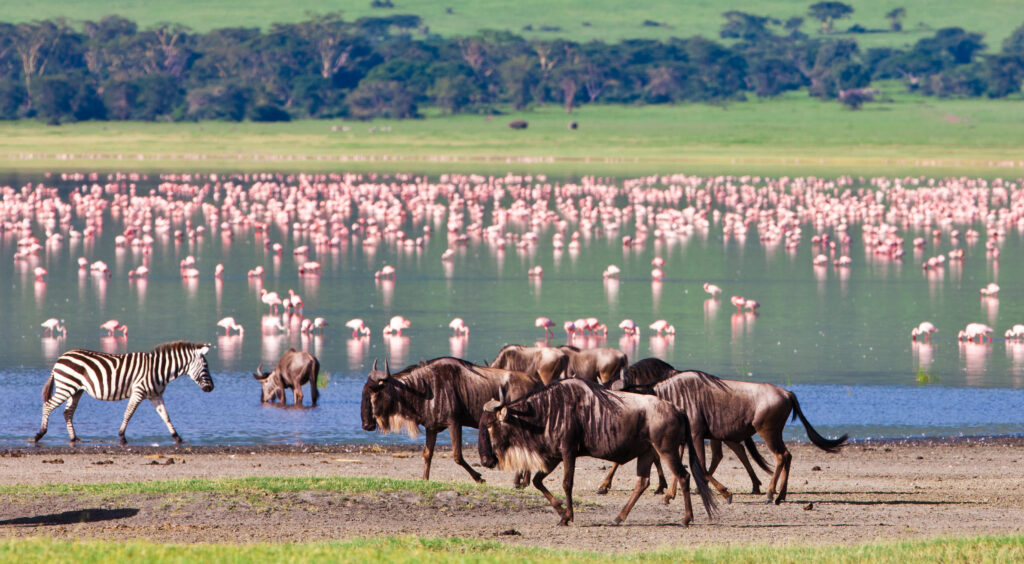
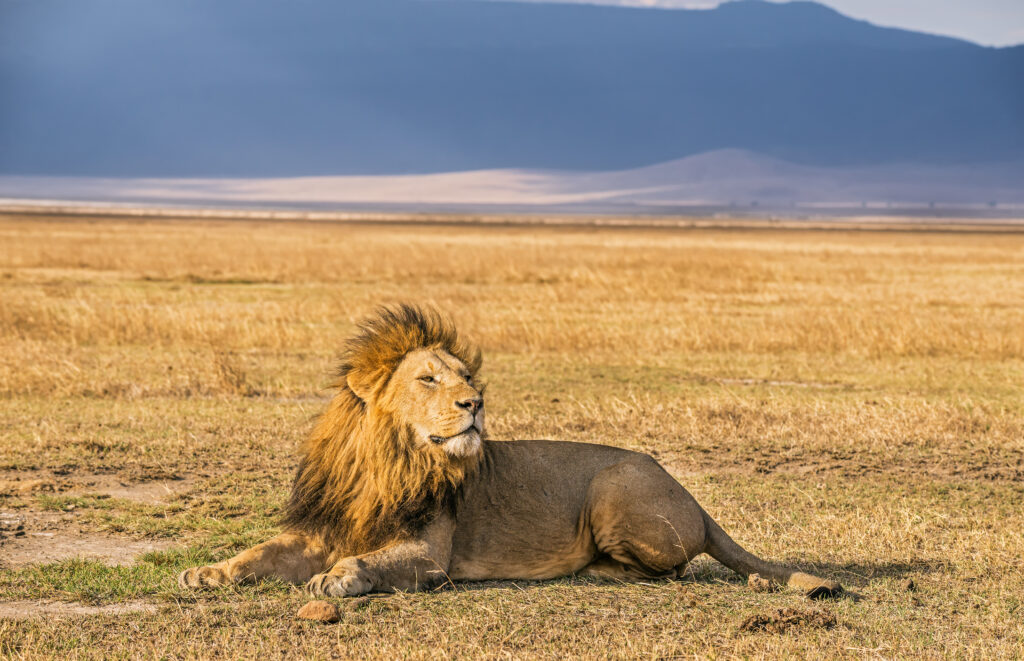
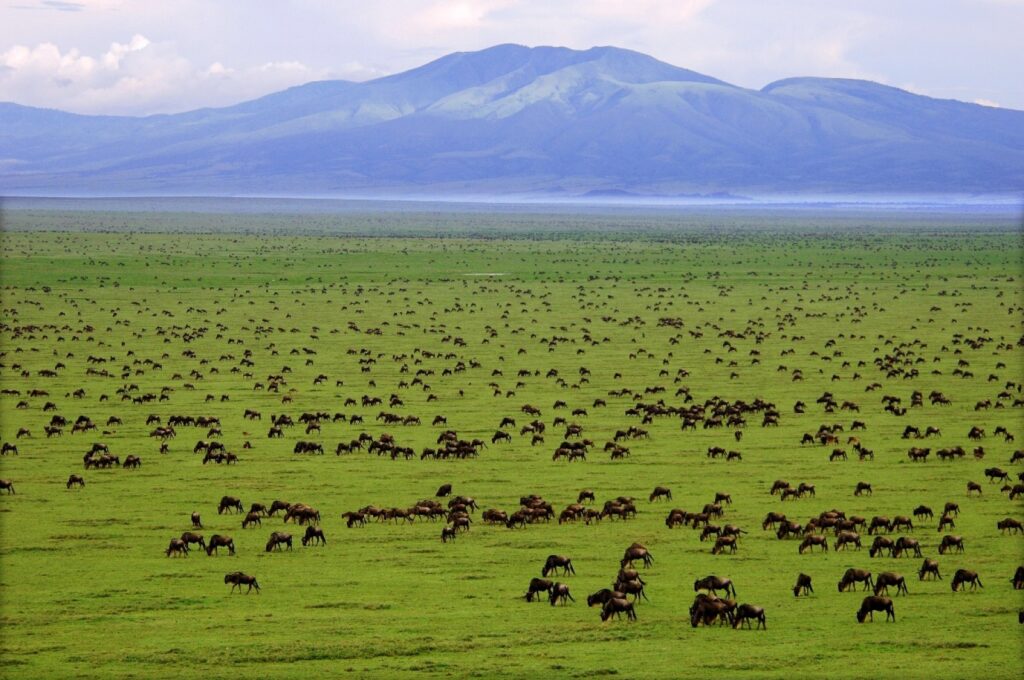
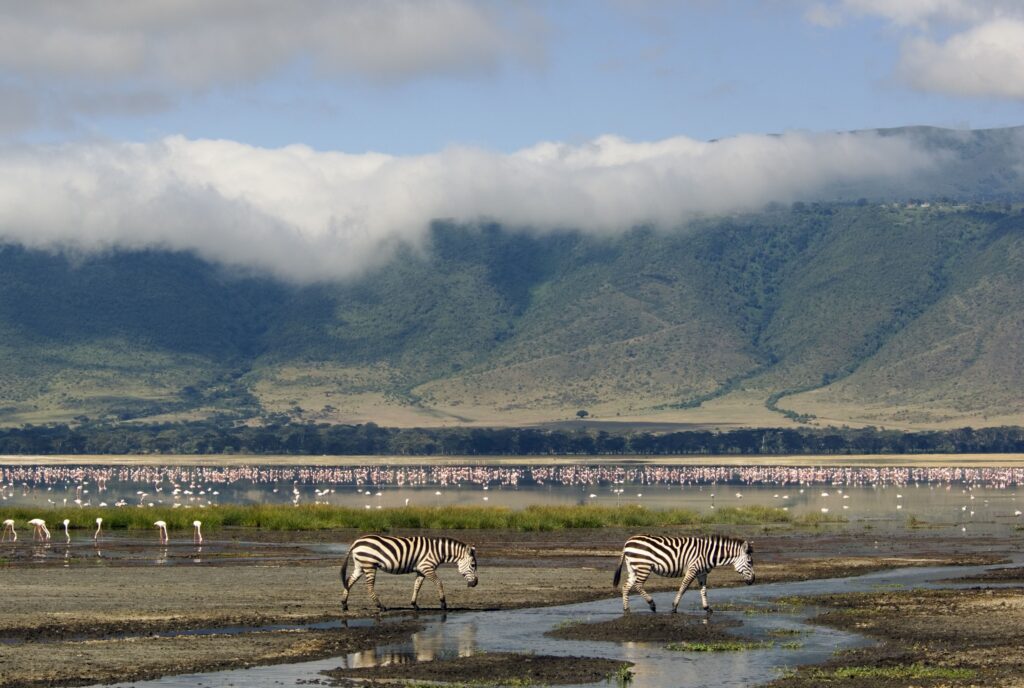
The Ngorongoro Crater floor is a rich and biodiverse ecosystem. It’s home to a variety of animals, including the Big Five (lions, leopards, elephants, buffaloes, and rhinoceroses). The floor of the crater is a unique wildlife haven, providing a high density of animals in a relatively small area, making it a prime destination for safari goers.
Ngorongoro Conservation Area
While the crater is the main attraction, the Ngorongoro Conservation Area itself is also rich in culture and history. The area is home to the Maasai people, who have lived there for centuries, and visitors can experience Maasai culture and traditional life.
Crater Rim Views
The views from the rim of the Ngorongoro Crater are stunning. From here, you can look down into the caldera, which is often filled with mist in the early mornings, offering breathtaking photo opportunities. The crater’s edges rise over 600 meters (2,000 feet) above the floor.
Olduvai Gorge
Located within the Ngorongoro Conservation Area, Olduvai Gorge is an archaeological site famous for being one of the most significant locations for the discovery of early human fossils. The gorge provides a fascinating glimpse into the history of human evolution, and visitors can visit the museum there to learn more about this ancient site, Olduvai Gorge is recognized by UNESCO for its contribution to human history.
What to See & Do
Best Time to Visit
The best time to visit Ngorongoro Crater is during the dry season, from June to October. During this period, the vegetation thins out, and wildlife congregates around water sources, making it easier to spot animals.…
The wet season, from November to May, is also a good time to visit for birdwatching, as migratory birds arrive in large numbers. The lush green scenery is beautiful, and fewer tourists visit during this time. However…
Photo Gallery