The stage for the greatest show on Earth.
Serengeti National Park is located in the northern part of Tanzania, stretching across 14,750 square kilometers in the Serengeti ecosystem. It borders Kenya’s Maasai Mara Reserve to the north and is situated within the Arusha and Mara regions. Serengeti is easily accessible from the city of Arusha, and the park can be reached by road or air.
Top Attractions & Highlights
The Great Migration
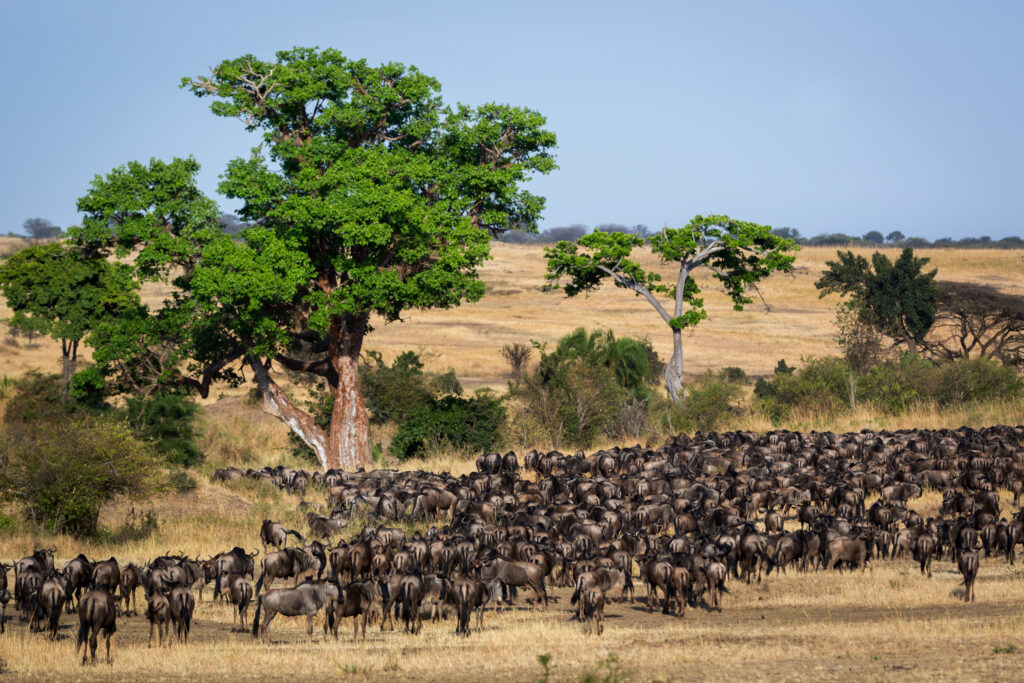
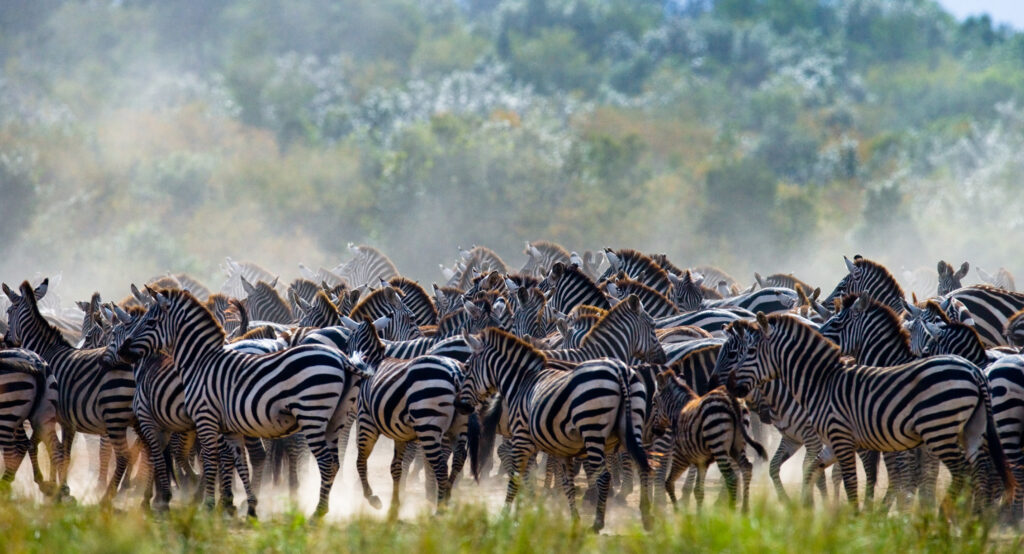
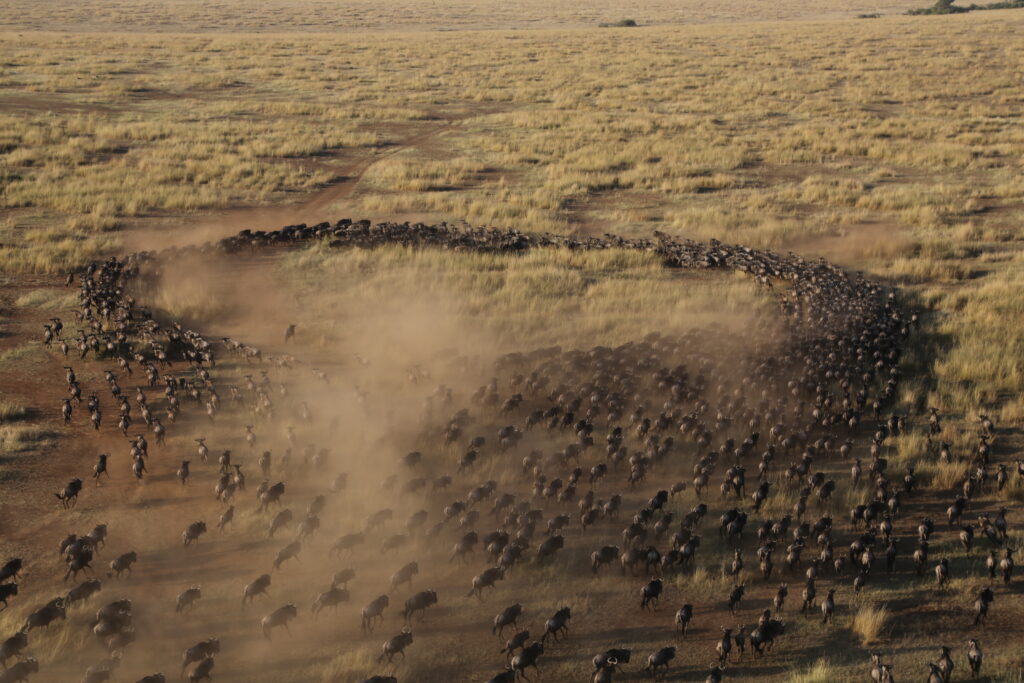
Serengeti is world-famous for its annual Great Migration, where over 1.5 million wildebeest, hundreds of thousands of zebras, and other herbivores move in a circular pattern across the park in search of fresh grazing. This awe-inspiring event is considered one of the most impressive natural phenomena on Earth.
Big Five Wildlife
Serengeti is home to a diverse range of wildlife, including the "Big Five" (lion, leopard, elephant, buffalo, and rhinoceros). The park’s open plains are ideal for spotting predators, including lions and cheetahs, as well as large herds of elephants and buffaloes.
Seronera River
The Seronera River, located in the heart of the Serengeti, is one of the most famous areas for wildlife sightings. The river is a vital water source for animals, making it a prime location for safaris, especially during the dry season.
Lions and Leopards
The park is well-known for its predator populations, including large prides of lions and elusive leopards. Serengeti’s varied habitats provide the perfect environment for these apex predators.
What to See & Do
Best Time to Visit
The best time to visit Serengeti is during the dry season, from June to October, when wildlife is easier to spot due to the reduced vegetation and animals congregate around waterholes and rivers. This is also when the…
While the wet season (November to May) can bring lush landscapes and fewer tourists, it is also the time when the Great Migration is in the southern part of the park, and calving season occurs, providing an opportunity…
Photo Gallery